




SEO

Keyword research services that end in a page plan

Keyword research services for Australian businesses: your buyers' searches, sorted by intent and difficulty and mapped to the page that should win.

Research first

Research that ends in a plan, not a spreadsheet

Rock Solid Marketing provides keyword research services for Australian businesses, from our office in Mildura. We find the words your customers type into Google, check which ones bring buyers rather than browsers, and decide which page on your site should win each one.

You might have a list hundreds of rows long from a free tool and no idea what to do with it. Or two of your pages chase the same search and both stall halfway down the results. The useful part isn't the list. It's deciding what to leave out, and which page owns what.

The research is part of every SEO plan, from $1,000 + GST a month with no lock-in. A one-off project is quoted at $175 + GST an hour, and both start with a free 30-minute discovery call.

Hands typing on a laptop on a wooden desk, with crumpled notes, a notepad and coffee
One keyword, one pageNo two pages chasing the same search

9+

Years serving Sunraysia and the Mallee

10+

Years’ minimum experience for every specialist

10

Marketing specialists on your team

6

Core digital channels, one joined-up strategy

How we research

How we sort the searches that matter

A phrase is only worth chasing if the people searching it might buy from you, and you have a fair chance to rank.

Australian search data

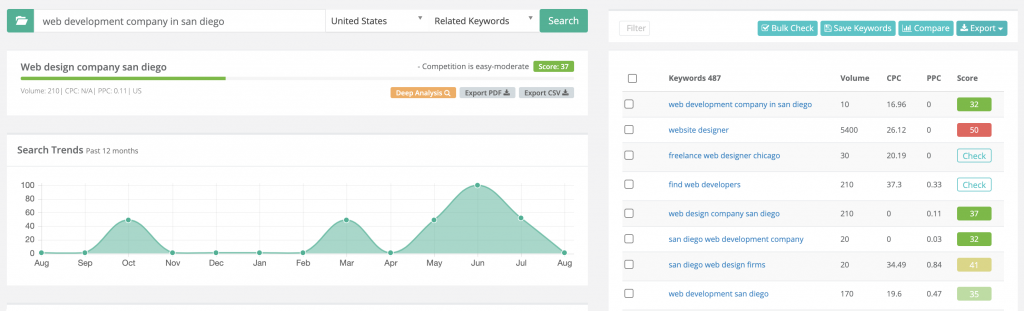
Volumes and difficulty come from Semrush's Australian database, not worldwide figures. A phrase that's busy in the United States can be quiet here, and the reverse.

Intent before volume

Every phrase is sorted by what the searcher wants: to learn, to compare or to buy. Big learning searches often suit an article, while smaller buyer phrases belong on service pages.

Difficulty you can win

Each keyword carries a difficulty score. We name the ones out of reach for now, rather than promising you a head term that national brands already hold.

One keyword, one owner

Each target phrase goes to one page only. That stops your own pages competing with each other, which happens on more small business sites than you'd expect.

Questions become answers

The questions people type, such as how much, how long and what's the difference, become FAQs on the right page. Plain answers also give AI search tools something clear to quote.

Places and services you're missing

Town names, nearby suburbs and services you offer but never mention online. These often show up as gaps when we compare your site with the businesses outranking you.

Revisited as things change

Search habits shift, new competitors arrive and your services grow. Inside an SEO plan we revisit the map when rankings move, so new pages and phrases are added before you fall behind.

Your specialists

The specialist behind your research

Meet the whole team
Lindsay BuckleyLindsay BuckleyDigital MastermindSydney NSW

How it works

How the research runs

Gather the data, sort it for buyers, map it to pages, then walk you through it.

  1. Discovery call

    A free 30-minute call about what you sell, where your customers are and which competitors keep outranking you.

  2. Gather the data

    We pull your Search Console data, check competitors and research Australian search volumes in Semrush.

  3. Sort and map

    Phrases are sorted by intent and difficulty, then each group is given to one existing or new page.

  4. Walkthrough

    We walk you through the map on a call, so you know why each page targets what it does.

What you get

A keyword map you can act on

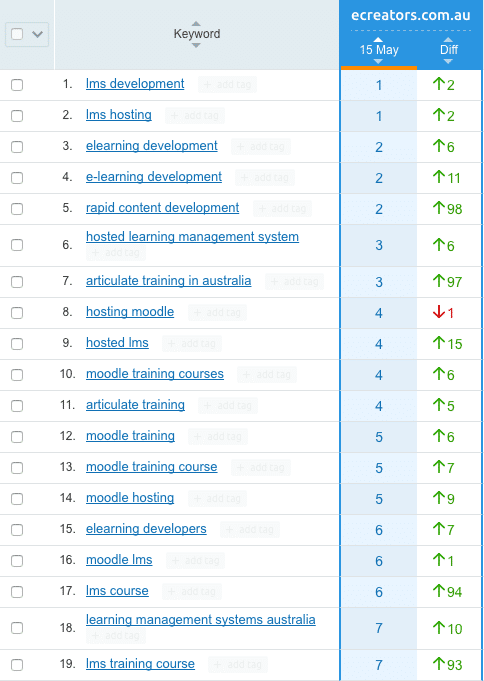
Our keyword research services end in a keyword map: one row per page on your site, with its main search, its supporting phrases and the questions it should answer. New pages you need are listed too, each with the search that justifies it.

We also flag the searches to skip. A phrase can look tempting on volume alone, yet the people typing it want a free template or a definition, not a supplier. Leaving those out keeps your pages focused and your budget on searches that can turn into calls.

Your website copy, page titles and our monthly SEO work all follow that map. If you only need a short list for one page or an ad campaign, a few hours of research may be all it takes.

  • A main search for every page
  • Supporting phrases and questions per page
  • New pages ranked by opportunity
  • Searches to skip, and why
  • Competitor gaps worth closing

A list tells you what exists. A map tells you what to do.

Two marketers planning a strategy on a whiteboard

What's included

SEO keyword research, start to finish

Australian dataKeyword mapNo lock-in contracts
  • Review of your current rankings and pages
  • Search Console data, if you have a site
  • Australian search volumes and difficulty
  • Searches sorted by buyer intent
  • Competitor keyword gap check
  • Local and town-based phrases
  • Customer questions for FAQs
  • A keyword map, one page per row
  • New page recommendations
  • A walkthrough call to explain it

Inside an SEO plan, the map is reviewed as rankings move. A one-off project is quoted at $175 + GST an hour before work starts. You keep the map, whichever way you buy it.

Our work

SEO work for regional clients

View all portfolio

Working with Janine and the Rock Solid team was wonderful. No matter the idea I had, Janine and the team brought it to life and always exceeded expectations. It was a joy and pleasure working and I learnt so much along the way too.

Carrie ChappellCEO – Princes Court LimitedRead the Princes Court case study

Resources

Learn more about SEO keywords

All articles

FAQ

Questions about researching keywords

Can’t find what you’re after? Call us on 1800 842 022 or browse every answer on our FAQ page.

All FAQs

It's included in every SEO plan, from $1,000 + GST a month with no lock-in contracts, and it's revisited as rankings move. If you only want a one-off keyword map, it's quoted at $175 + GST an hour, with the hours agreed before we start. Most of the time goes on sorting and mapping, not pulling data.

Keyword research is finding the words and questions people type into search engines when they look for what you sell. It measures how often each is searched, how hard it is to rank for and what the searcher wants. The result guides which pages you build and what each one says.

It's the step that decides which searches each page on your site should target. In search engine optimisation keyword research comes first, because titles, headings, content and links all follow from it. SEO and keyword research go together: optimising a page without knowing its target search is guesswork.

Research gathers the phrases, and analysis decides which ones are worth it. Analysis weighs search volume against difficulty, checks who already ranks, reads the intent behind each search and groups phrases one page can cover. It stops you chasing a busy search you can't win, or one that never brings buyers.

Start with how your customers describe what you sell, then check those phrases in a keyword tool set to Australia. Look at volume, difficulty and the pages already ranking. Add the questions people ask and the towns you serve. Then give each group of phrases one page, so your pages don't compete.

Begin with Google Search Console: its performance report shows searches already bringing you impressions. Then use Google's own suggestions and the People also ask box for related phrases. Free tools give rough volumes for Australia. Our articles on finding and choosing SEO keywords walk through the next steps.

A free tool is fine for a quick look at a handful of phrases. An agency earns its fee when you have many services or towns, competitors outranking you, or pages already competing with each other. If a few hours of research will do the job, we'll tell you before we quote.

It goes past volumes into gaps and intent. It compares your site with the businesses outranking you and finds phrases they win and you don't. It also spots searches where map results or AI answers take most of the clicks. For most regional businesses, a focused map matters more than a giant list.

Let’s Talk Marketing – Book Here

Let’s start by scheduling a free discovery call so we can get to know each other and see if we’re a good fit for your marketing needs.