
SEO
How to Rank Higher on Google: A Small Business Guide
How to rank higher on Google, step by step: choose the right searches, improve your pages, fix technical problems, earn trust and measure what works.
What is keyword research? It’s the process of finding the words and phrases your customers type into Google, checking how often they’re searched and how hard they are to rank for, and choosing the ones each page of your website should target. Good keyword research for SEO means you write pages people are actually searching for, instead of guessing.
It sounds technical, but most of it is common sense plus a couple of free tools. Here’s how to do keyword research.
Keyword research for your website tells you three things: what customers call your products and services (often not what you call them), which questions they ask before they buy, and which searches you can realistically win. Without it, it’s easy to build a beautiful page around a phrase nobody searches for.
If you’re not sure how to research keywords, this is how to conduct keyword research for a small business website:
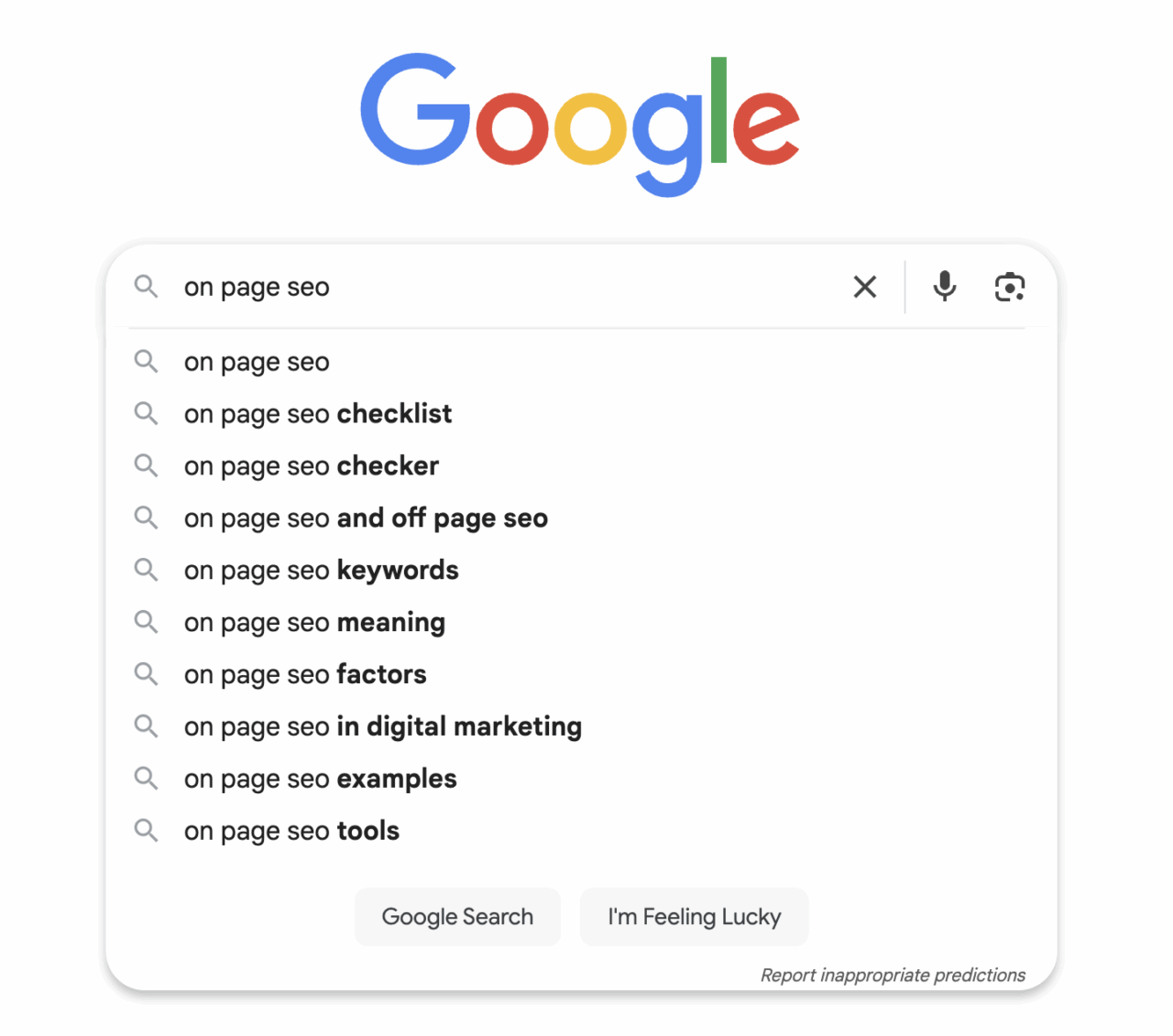
The best sources are free and close to home: your customers’ own words (emails, quotes, reviews), Google’s autocomplete and “People also ask”, your Google Search Console data, and your competitors’ pages. Our guide to SEO competitor analysis shows how to see which keywords competitors rank for.
Before you build pages around a keyword, check two things: does anyone search for it, and can you realistically rank for it?
Yes. Small changes in wording can rank very differently. When we added variations to one client’s keyword list, they ranked #6 for “elearning developers” but outside the top 100 for “elearning developer”. When you review your list, add:
Track the whole list, then focus your optimisation on a handful of variations you already rank well for, and review them every month or so.
A few easy tips for conducting keyword research:
Researching keywords takes an afternoon to start, and it shapes every page you write after that.
Use Google Keyword Planner for free, or a paid tool such as Semrush or Ahrefs. They show an estimated monthly search volume for a country or region. Treat the numbers as rough guides rather than exact counts, and compare keywords against each other rather than relying on one figure.
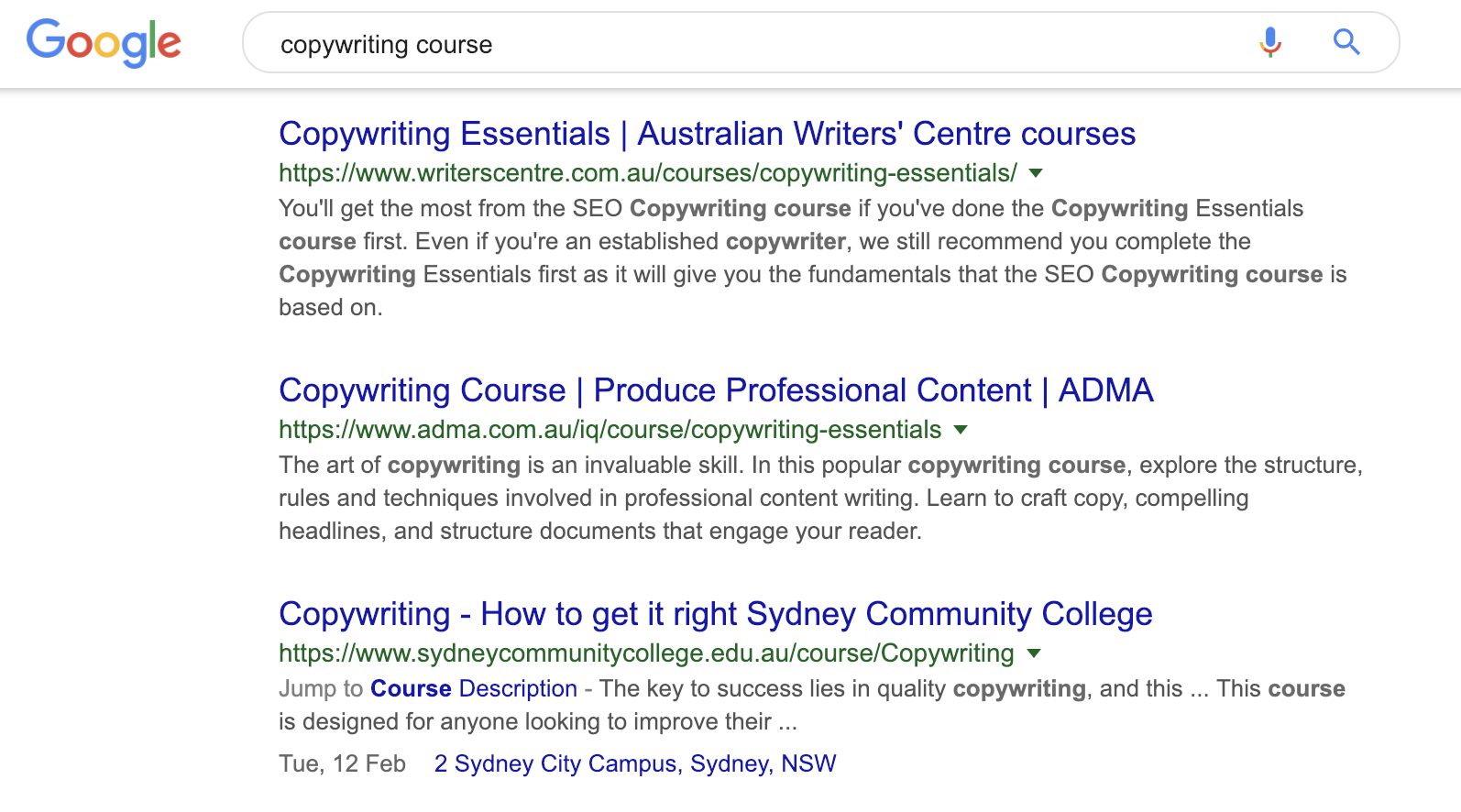
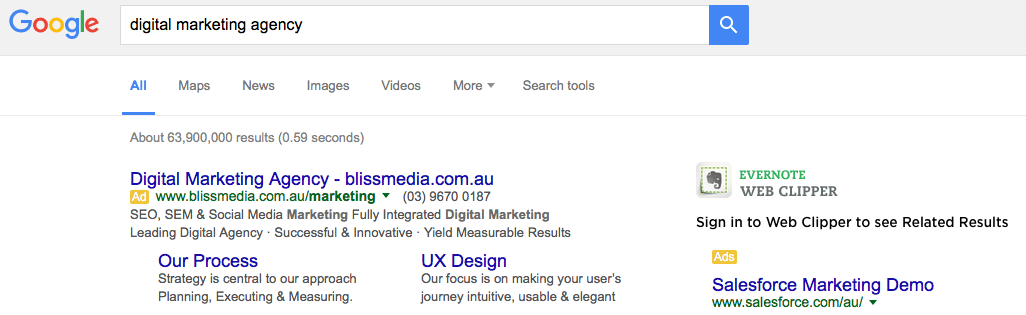
Type a phrase into Google and study the results: the ads, the map, the top 10 pages and the “People also ask” box. This shows what Google thinks the searcher wants and who you’re up against. Then check the phrase in a keyword tool to see its volume and related searches.
Check the page title, headings and first paragraph, where the main keywords usually sit. In a browser you can search the page text with Ctrl+F (Cmd+F on a Mac). SEO tools go further and list the keywords a whole website ranks for, which is useful for checking competitors.
Keyword analysis means comparing your list on three things: search volume, difficulty and intent. Group similar keywords, give each group to one page, and prioritise the groups with decent volume, realistic difficulty and buying intent. Then track rankings for those keywords every month.
Keyword research means finding the searches your customers use, checking volume and competition, and giving each page a clear target. Start with free tools and your customers’ own words. If you’d like it done properly, our keyword research service maps out the searches you can win, and our SEO team can build the pages to match.
A marketing team that has helped businesses across Sunraysia and the Mallee since 2017, from our office on Deakin Avenue in Mildura.
Keep reading
How to rank higher on Google, step by step: choose the right searches, improve your pages, fix technical problems, earn trust and measure what works.
A free SEO checklist for new and existing websites, with technical, on-page, content and local checks, plus how to check your SEO with free tools.
What is schema markup, what is it used for, does it help SEO, and how do you add it? A plain English guide to structured data for small business websites.

Let’s start by scheduling a free discovery call so we can get to know each other and see if we’re a good fit for your marketing needs.