
SEO
How to Rank Higher on Google: A Small Business Guide
How to rank higher on Google, step by step: choose the right searches, improve your pages, fix technical problems, earn trust and measure what works.

More visitors means more chances to win customers. Here are six practical tips for driving traffic to your website, from guest blogging and ads to SEO and a regular blog.
Writing a post on someone else’s blog provides two major benefits that can result in more website traffic: 1). It helps with link building, i.e. getting your website linked on other sites, which helps with SEO efforts and getting your site ranked higher on Google, and 2). It may capture the attention of potential customers, driving traffic to your website for those interested enough to want to learn more.
Note that ideally, you want to write for a website in a similar industry to yours. Google will see you as higher authority in your industry when a colleague links to you, whereas if your link appears on a seemingly random site, Google may not know what to make of it. Not to mention, your target audience is probably similar to that of others in your industry.
Ever notice how few people are seeing posts from your Facebook page vs. how many people actually like your page? This isn’t a mistake: it’s Facebook being clever and rewarding those who pay for ads with higher visibility and wider post reach.
If you want your company or brand to get in front of more Facebook users, you need to pay for a Facebook ad. Many people only skim an ad’s headline, so if you want that click-through to your website, make sure your ad headline is clear and catchy.
I know what you’re thinking: Why do I need a mailing list? I don’t have time to run a newsletter on top of everything else in my business.
First, you own your mailing list. You don’t own your social media accounts, which could disappear overnight should the social powers that be decide to abruptly shut down. If you can get your biggest fans and most loyal customers to sign up, you have a direct line to them.
Second, you can drive traffic to your website through emails that you send to subscribers of your mailing list. Even if you have nothing major to say in an email, just sending out a quick message with links to your recent blog posts or new services can help get more clicks to your website. And if your subscribers forward your emails on to other people, that’s more potential clicks and subscribers for you.
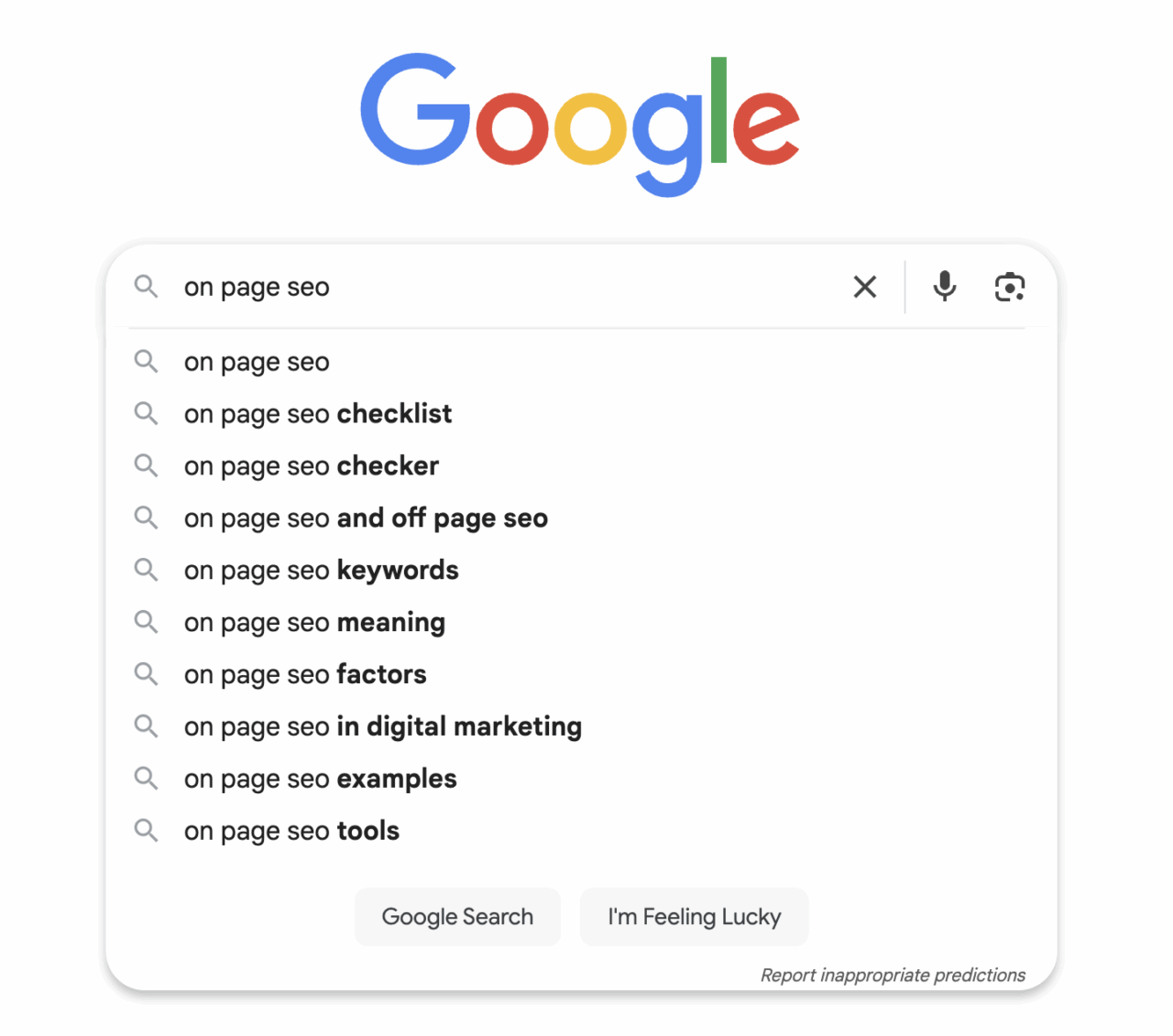
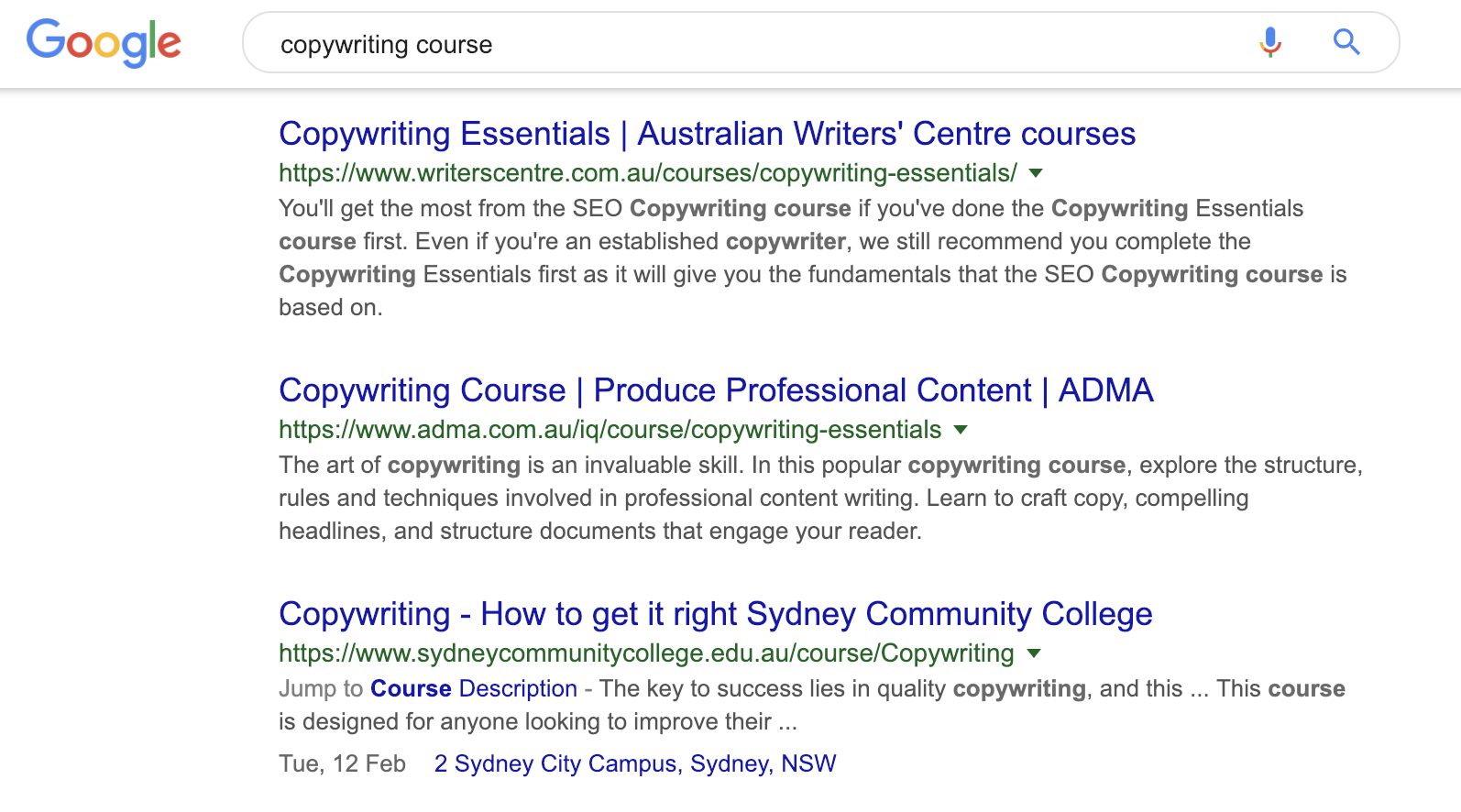
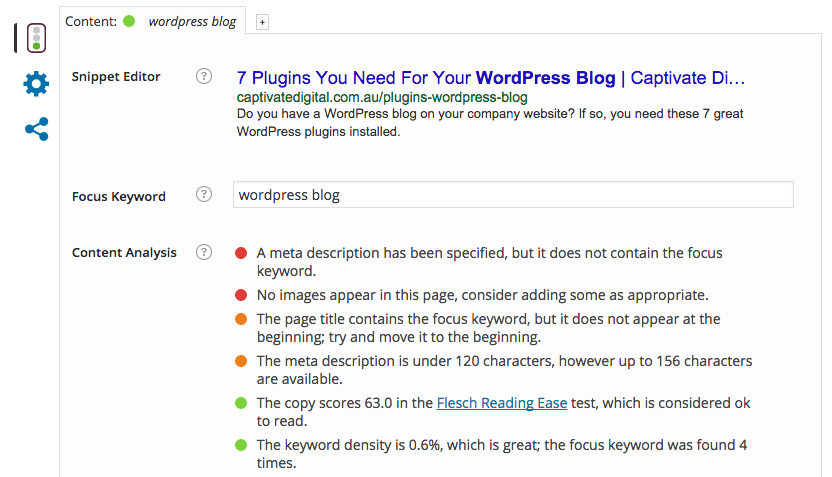
Showing up on Google is one huge way of driving traffic to your website. And how do you make nice with the Google gods? You play the SEO game by the rules. Choose your keywords wisely, work on your on-page optimisation and insert those keywords in tags and content, and get your link onto other sites (see point above on Guest Blogging).
Drive traffic to your website with SEO
One of the quickest SEO wins is improving pages that already get some search traffic, because it is usually easier to move up from page 1 or 2 of Google than to start from nothing. Two free Google tools show you where to start:
If you’re constantly providing new content, people will have a reason to keep coming back to your website. The easiest way to do this is to incorporate a blog into your website and post at least twice a week if you can. Not only will you have people visiting and revisiting to read more of what you have to say, you’ll also enjoy some SEO benefits in the form of higher Google rankings (remember: Google values authoritative sites that are constantly providing relevant content).
A marketing team that has helped businesses across Sunraysia and the Mallee since 2017, from our office on Deakin Avenue in Mildura.
Keep reading
How to rank higher on Google, step by step: choose the right searches, improve your pages, fix technical problems, earn trust and measure what works.
A free SEO checklist for new and existing websites, with technical, on-page, content and local checks, plus how to check your SEO with free tools.
What is schema markup, what is it used for, does it help SEO, and how do you add it? A plain English guide to structured data for small business websites.

Let’s start by scheduling a free discovery call so we can get to know each other and see if we’re a good fit for your marketing needs.