
SEO
How to Rank Higher on Google: A Small Business Guide
How to rank higher on Google, step by step: choose the right searches, improve your pages, fix technical problems, earn trust and measure what works.
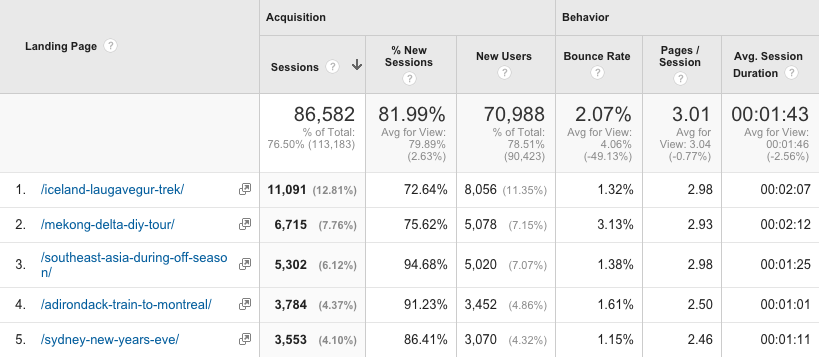
Simply put, this is how many people are visiting your site as a result of finding it while doing a Google search. If you are putting effort into improving your site’s SEO, your goal is for your organic search traffic to steadily increase over time. You can easily view your organic search traffic using Google Analytics.
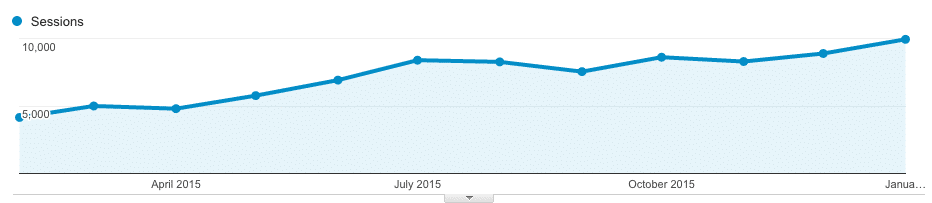
What you don’t want to see is no change, a decrease, or sudden jumps or drops in traffic. If you do, it may be time to re-evaluate your SEO strategy.
It’s super useful to monitor your traffic by landing page, that is, knowing which pages within your website are pulling in the most visitors from Google searches.
Take a look at your top 5 to 10 landing pages here and note what you’ve done to optimise each of them. Can you apply the same SEO tactics to optimise other pages on your site?
It’s a good idea to know how many of your visitors are accessing your site on a mobile device. With more and more people opting to surf the web on their smartphones, you can bet that your mobile traffic will increase over time. Be sure to optimise your site for mobile to make it easier for smartphone users to browse, stay on, and return to your site.
Once you’ve determined your SEO keywords and optimised your site for them, you should be constantly monitoring your SEO keyword rankings. Where does each of your chosen keyword phrases rank on Google Search? Try to check this before you start working on your SEO so that you have a baseline to compare to: a “before” picture, if you will.
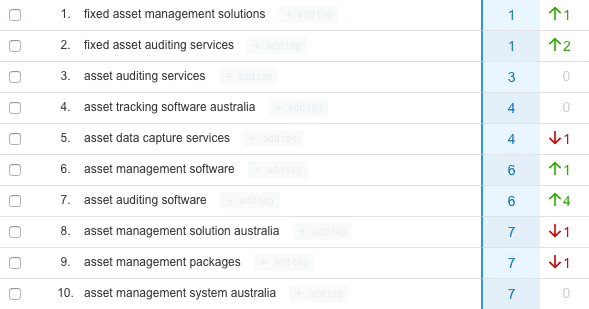
Position tracking tool from Semrush.
There are numerous tools you can use to track your keyword rankings. If you’ve hired a consultant to look after your SEO, their SEO services should definitely include some sort of dashboard or reporting system that spells it all out for you. Otherwise if you’re handling the SEO yourself, look into Serpfox or our personal favourite here at Rock Solid Marketing, Semrush.
We can’t emphasise how important backlinks are to an SEO strategy. Links from relevant, trusted websites help your site grow in traffic and authority, and quality matters far more than quantity.
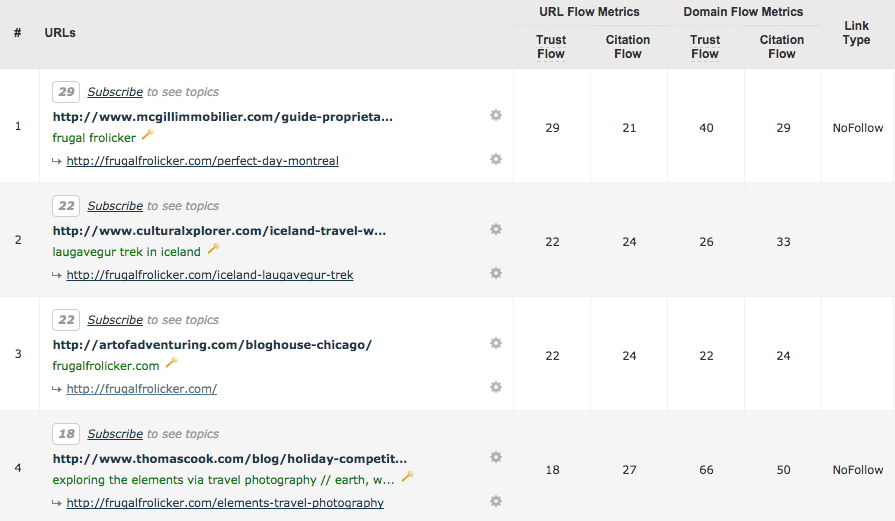
The free Links report in Google Search Console shows your top linking sites, and tools such as Moz Link Explorer, Majestic and Ahrefs give more detail: how many backlinks your domain and pages have, the estimated authority of the linking pages, and what link text is used.
How much time do visitors spend on your website? Ideally you’d like them to stay awhile and click through multiple pages on your site. If they’re not lingering and instead leave shortly after arriving (i.e. they “bounce”, see the next item on this list), you may need to publish more quality content on your site or make your website more user-friendly, in order to entice your site visitors.
Other similar metrics you might want to look at include average engagement time (how long people actively spend on your pages in Google Analytics 4) and views per session (how many different pages they view on one visit).
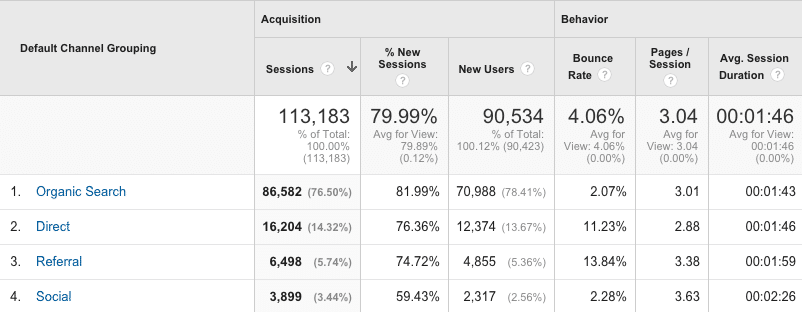
Almost the opposite of engagement is bounce rate. In Google Analytics 4, it’s the percentage of sessions that weren’t engaged (see our guide to lowering your bounce rate).
Look at your overall bounce rate vs your bounce rate for each traffic channel. Are you getting more quality visits from certain channels more than others? For the sake of SEO, aim to reduce your bounce rate for Organic Search.
If Google can’t crawl or index a page, it can’t rank it. Check the Pages report in Google Search Console regularly for pages that are blocked, not found or excluded, and fix the ones that matter. Site audit tools such as Semrush or Moz will also flag crawl errors.
Click-through rate (CTR) is the share of people who click your page after seeing it in Google (clicks divided by impressions). Search Console’s Performance report shows it for each page and search. A page that appears often but gets few clicks may need a clearer title or meta description that matches what people are looking for.
A marketing team that has helped businesses across Sunraysia and the Mallee since 2017, from our office on Deakin Avenue in Mildura.
Keep reading
How to rank higher on Google, step by step: choose the right searches, improve your pages, fix technical problems, earn trust and measure what works.
A free SEO checklist for new and existing websites, with technical, on-page, content and local checks, plus how to check your SEO with free tools.
What is schema markup, what is it used for, does it help SEO, and how do you add it? A plain English guide to structured data for small business websites.

Let’s start by scheduling a free discovery call so we can get to know each other and see if we’re a good fit for your marketing needs.