


Digital Marketing News
Small Business Grants in Australia That Can Fund Marketing
How to find and apply for small business grants in Australia, what they can pay for, and when marketing can be part of a funded project.
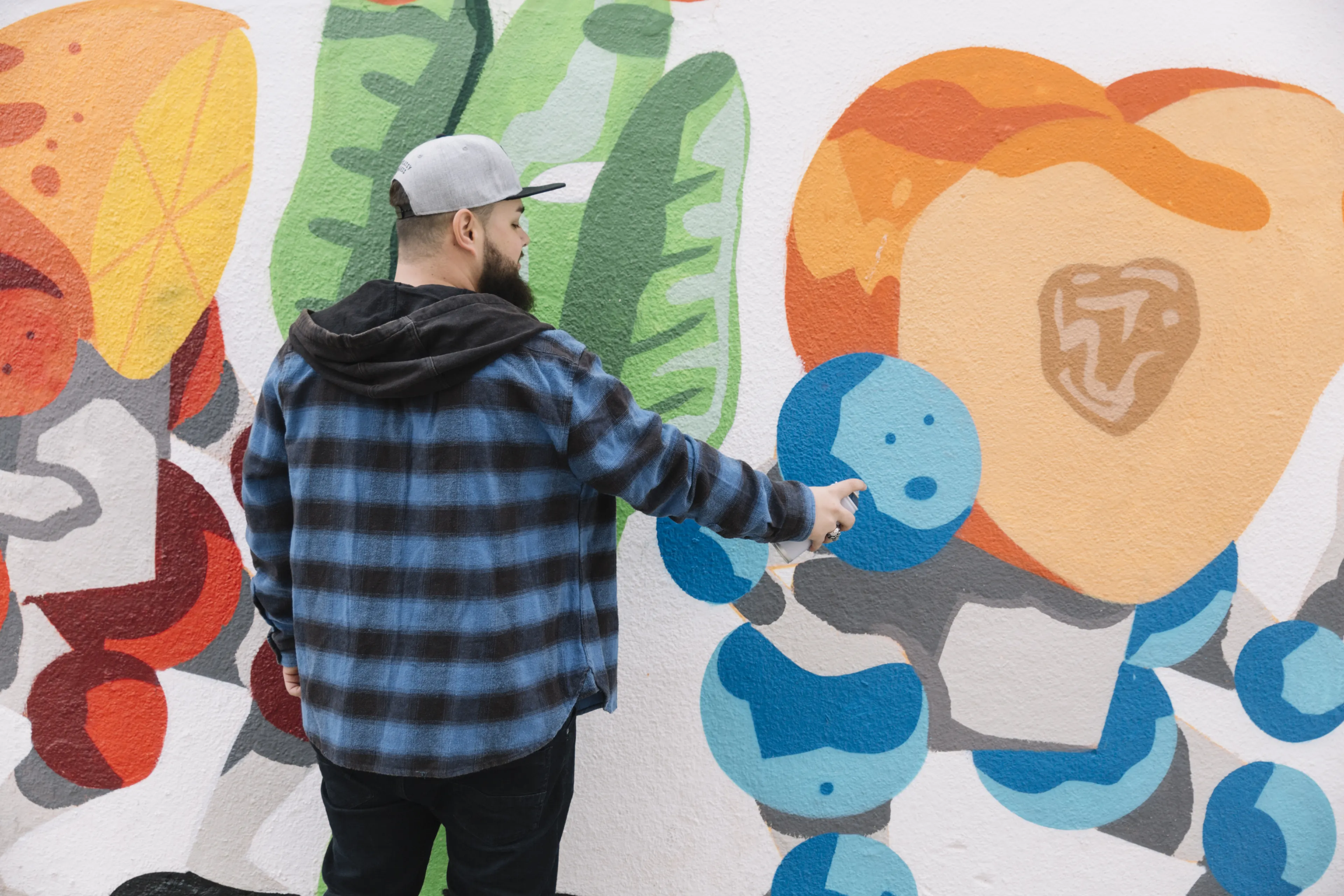
Guerrilla marketing is low-cost, unconventional marketing that gets attention through surprise, creativity and being in the right place, rather than a big advertising budget. It might be a clever chalk message on a footpath (with permission), a pop-up stall at a local event or a stunt that people photograph and share. For a small business, guerrilla marketing is a way to be talked about without paying for every impression.
The guerrilla marketing definition is a promotion strategy that uses surprising or unusual interactions to promote a product or service. The term was popularised by Jay Conrad Levinson’s 1984 book Guerrilla Marketing, written for small businesses that couldn’t outspend bigger competitors (Wikipedia: Guerrilla marketing). The idea: use imagination, energy and local knowledge in place of money.
The word “guerrilla” comes from small, flexible forces using surprise against larger ones. In marketing, it means small businesses using surprise and creativity to compete with brands that have far bigger budgets. Guerrilla advertising, in the same sense, means advertising in unexpected places or formats.
A guerrilla marketing campaign is a planned burst of unconventional activity with one goal, such as launching a product, opening a shop or promoting an event. Good campaigns share a few traits:
These guerrilla marketing tactics suit local and regional businesses. Treat them as ideas to adapt, and check permissions first:
| Tactic | Idea | Watch out for |
|---|---|---|
| Street marketing | Washable chalk art or stencils outside your shop, pointing to an offer | Council permits and footpath rules |
| Pop-ups | A stall, demo or tasting at a market, sports day or festival | Event organiser approval and insurance |
| Ambient ads | Messages on everyday objects, such as coffee cup sleeves or bench seats, through partner businesses | The owner’s permission |
| Experiential | A hands-on experience, like a free mini-lesson or a challenge people can try | Safety and crowd management |
| Viral social content | A playful video or photo stunt designed to be shared | Staying on brand and respectful |
| Community stunts | A giveaway or surprise for a local cause or team | Promotion and trade lottery rules if there’s a prize draw |
| Partnerships | A joint stunt with a neighbouring business | Agreeing who does and pays for what |
Here are guerrilla marketing example ideas for regional businesses (illustrations, not real campaigns):
Many of the best-known guerrilla marketing campaigns stand out because they were surprising and closely tied to the product. The same principle works at a local scale.
Guerrilla marketing can backfire if it’s careless:
We help businesses plan creative campaigns and make sure the attention turns into enquiries, with the social media, landing pages and PR to back them up. Our event marketing and public relations services suit launches and local stunts, and our marketing partnerships (from $4,500 + GST a month for 28 hours) run campaigns alongside your ongoing marketing.
Yes, when it’s done with the right permissions and doesn’t mislead people. Stunts on public or private property need permission, and claims must be truthful. This is general information, not legal advice.
No. Big brands use it too, but it’s especially useful for small businesses because it relies on ideas rather than budget.
Give every campaign a way to track response: a unique offer code, a QR code to a landing page, or a hashtag. Then compare enquiries and sales before and after.
Guerrilla marketing is the unconventional activity itself, often in the real world. Viral marketing is when content spreads widely online. A good guerrilla stunt often becomes viral content when people share it.
Guerrilla marketing uses surprise and creativity instead of big budgets. Tie the idea closely to your product, get permission, stay truthful, and plan how the attention will turn into customers.
If you’d like help planning a creative campaign, book a free 30-minute discovery call.
A marketing team that has helped businesses across Sunraysia and the Mallee since 2017, from our office on Deakin Avenue in Mildura.
Keep reading
How to find and apply for small business grants in Australia, what they can pay for, and when marketing can be part of a funded project.
Sales funnel stages explained for small businesses: a worked example, how to build a funnel, the metrics to track and where most leads are lost.
How to choose the right marketing agency for your business, with the questions to ask, red flags to avoid and what agencies typically cost.

Let’s start by scheduling a free discovery call so we can get to know each other and see if we’re a good fit for your marketing needs.