
Branding
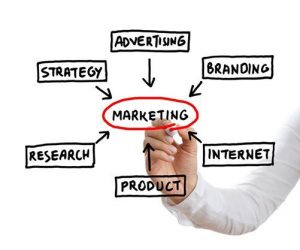
Why Can’t Marketers Just Explain What They Do in a Way That Makes Sense?
Marketing has split into specialist fields, from SEO to PR to design, yet one marketer is often expected to do it all. Here’s why that’s confusing.
Most corporate headshot tips come down to three things: pick a photographer who specialises in portraits, wear plain clothes you feel good in, and relax so you look like yourself. A good headshot shows your face clearly, in even light, against a background that doesn't compete with you. Whether the photo is for your website, LinkedIn or a tender, a little preparation matters more than the camera.
A headshot is a portrait framed from about the chest up, with the face as the focus. Business headshots are used on staff pages, LinkedIn profiles, proposals, email signatures, award entries and media releases.
A corporate headshot is the same thing taken for a business, usually with a plain or softly blurred background so every person in the team matches. Customers use these photos to put a face to the name before they call, so they do a lot of quiet work for your brand.
A good headshot looks like you on a good day. Use this checklist when you review the shots:
These professional headshot tips cover the days before the shoot:
The most useful business headshot tips are about clothes, because they're the part you control. Wear something that fits well and that you feel confident in. Solid colours work better than busy patterns, small checks or large logos, which pull attention away from your face.
Mid tones such as navy, grey, green and burgundy suit most people. Avoid colours that match the background, or you'll blend into it. For a team shoot, agree on a dress code so the photos sit well together on your website. If you're not sure what suits you, ask a friend with a good eye for a second opinion.
Yes. A natural smile makes you look approachable, which is what most customers want from the person they're about to call. A closed mouth smile and a full smile both work; take some of each and choose later.
A few headshot posing tips help the smile look real:
If you freeze in front of the camera, try this: give the photographer the biggest, silliest grin you can for a few frames. As you loosen up, it softens into a relaxed smile that looks like you.
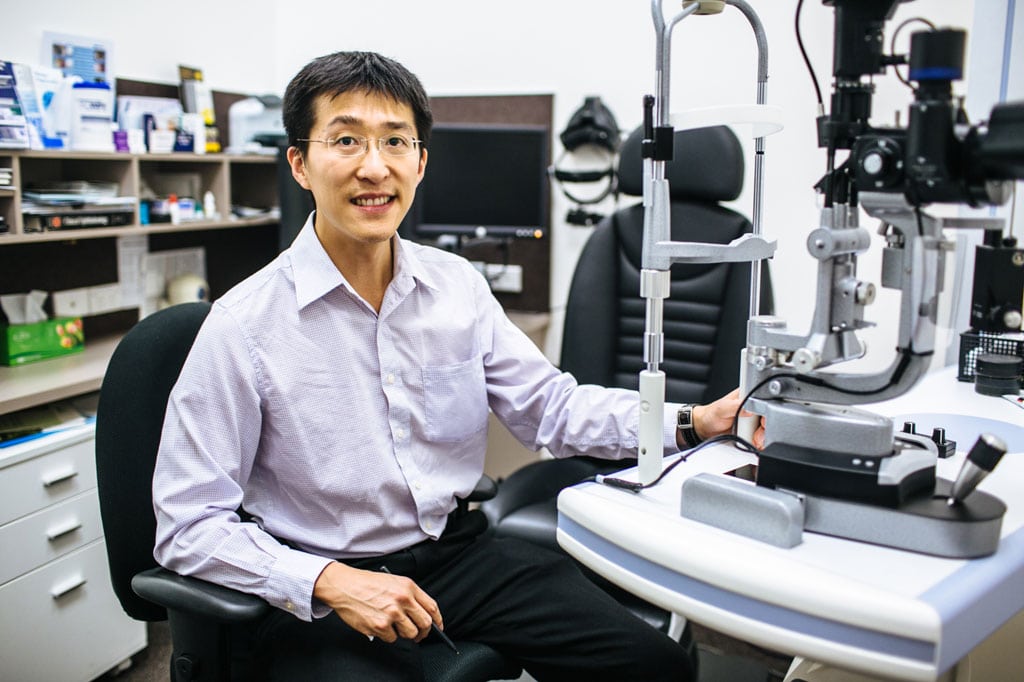
A standard headshot is a must, but once you have it, ask for a few environmental portraits too. These show people at work in their own setting: at the desk, at the bench or with a client. They're useful on service pages because they show customers what to expect before they book.
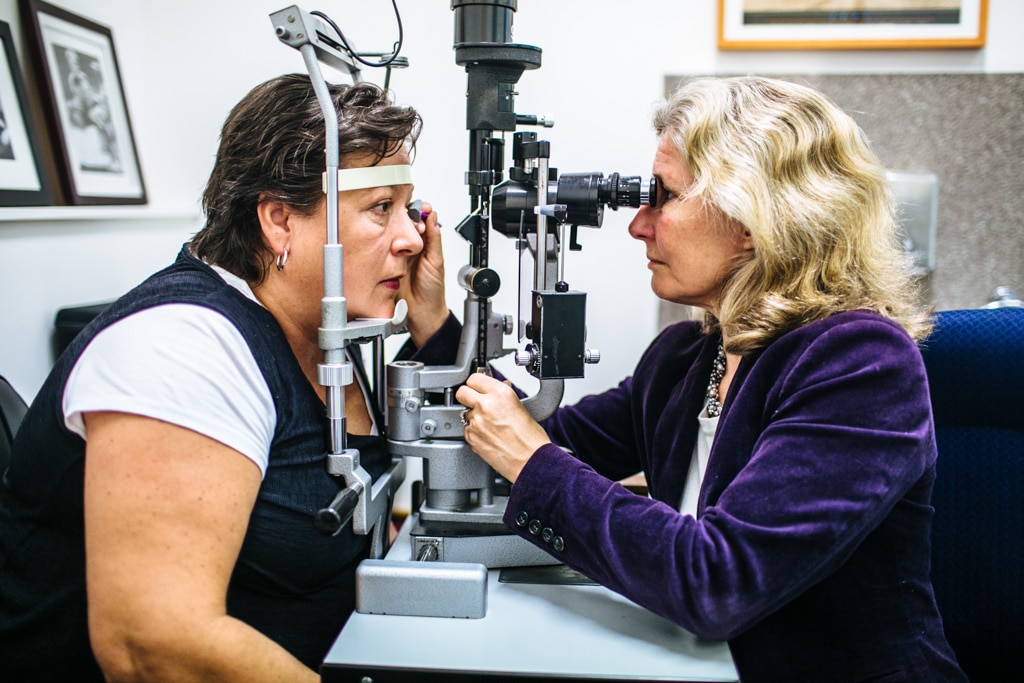
People also tend to relax when they're doing their normal job, so these shots often look more natural than the posed ones. In our corporate headshots shoot for Eastern Eye Centre, the team received both standard headshots and environmental portraits of staff with their equipment.
For business use, yes. Anyone can take a photo on a phone, but the difference shows when a page of team photos sits side by side. Most businesses weigh up three options:
Your photos are part of your brand. When a customer sees you've invested in good images, it builds trust in the rest of what you do. In short: hire a professional to look professional.
We're a marketing agency, not a photography studio. When a business asks us for headshots, we plan what the photos must show, write the shot list, book photographers we work with and prepare the files for the website, social media and print. Usage rights are agreed in writing before the shoot, and anyone identifiable signs a release.
The planning is where most of the value sits. A few planning choices make the biggest difference:
Our commercial photography page explains how we run a shoot, and our creative and design team puts the finished photos to work across your website and marketing.
LinkedIn headshot tips follow the same rules, with a tighter crop. LinkedIn shows your photo as a small circle, so frame from the shoulders up with your face filling most of the space. Look at the camera, keep the background plain, and use a recent photo that matches how you look when you walk into a meeting.
It depends on the job. We price photo shoots to the job rather than from a set list, because the cost depends on:
Tell us what you need and we'll quote before anything is booked. Contact Rock Solid Marketing to plan headshots for your team.
The simplest way is to book a photographer who specialises in portraits. If you have to do it yourself, stand facing a window for soft light, use a plain background, set the camera at eye level on a timer or have someone else take it, and take plenty of frames so you can pick your favourite.
Good light, a plain background and a relaxed expression matter most. Wear simple clothes in solid colours, turn your shoulders slightly, and look straight at the lens. These tips for a good headshot work whether you're working with a photographer or using a phone.
Yes, and black and white can look classic and consistent across a team. Colour is still the safer choice for most business uses, because it's the version people expect on LinkedIn and staff pages. Ask for both versions so you can choose later.
Update it when you no longer look like the photo: a new hairstyle, glasses, beard or a few years passing. Customers expect to recognise you when they meet you, and an old photo makes the first meeting slightly awkward.
Yes, if you wear them every day. Clean them before the shoot and let the photographer know, so they can angle the lights to avoid reflections in the lenses.
A marketing team that has helped businesses across Sunraysia and the Mallee since 2017, from our office on Deakin Avenue in Mildura.
Keep reading
Marketing has split into specialist fields, from SEO to PR to design, yet one marketer is often expected to do it all. Here’s why that’s confusing.
Whether you’re starting your own digital marketing agency or are in the market for some digital marketing services for your business, you’ve come to the right place! Here’s a quick look at some of the services you might consider offering (or booking) with a Melbourne digital marketing company. (Bear in mind that it’s perfectly normal
Corporate headshots, environmental portraits and team photos for Eastern Eye Centre, an eye clinic in Maroubra Junction, Sydney, for its new website.

Let’s start by scheduling a free discovery call so we can get to know each other and see if we’re a good fit for your marketing needs.