
SEO
How to Rank Higher on Google: A Small Business Guide
How to rank higher on Google, step by step: choose the right searches, improve your pages, fix technical problems, earn trust and measure what works.
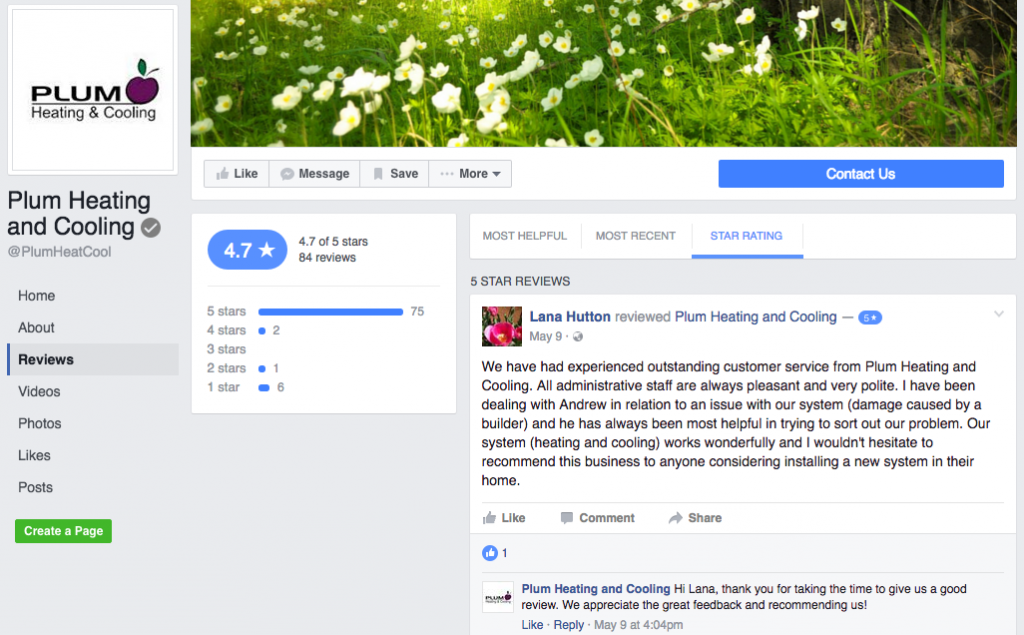
Here is how to respond to negative reviews: reply within a day or two, thank the person, acknowledge the problem without arguing, explain briefly what you’ll do, and invite them to continue the conversation privately. Keep it short, calm and specific. Your reply is written for every future customer who reads it, not just the reviewer.
One bad review won’t sink a business. A defensive reply, or no reply at all, often does more damage than the review itself.
The same five steps work on any platform, and they’re the core of how to respond to negative online reviews:
Don’t share the customer’s private details or account information in a public reply. If you resolve the issue, it’s fine to ask politely whether they’d consider updating their review.
To reply, open your Business Profile (search for your business name while signed in), choose Reviews, and reply to the review. Google’s help page on managing customer reviews walks through it. Knowing how to respond to negative reviews on Google matters more than on most sites, because your reviews appear right next to your listing in Search and Maps, and replying shows customers you care.
Adapt these to your own voice. Never copy and paste the same reply for every review.
A service that ran late
Hi Sam, thanks for letting us know, and I’m sorry we were two hours late on Tuesday. That’s not the service we aim for. We’ve changed how we schedule afternoon jobs so it doesn’t happen again. I’d like to make it right, so please call me on [number]. Jess, Owner
A complaint you can’t find a record of
Hi Alex, thanks for your feedback. I’ve checked our bookings and can’t find your visit, and I’d really like to understand what happened. Could you email me at [email] with the date and details? Chris, Manager
A fair criticism you’ve already fixed
Hi Taylor, you’re right that our online booking was confusing, and thank you for saying so. We’ve since simplified it to three steps. We’d love to see you again and hear what you think. Pat, Owner
Facebook recommendations work the same way: reply publicly, calmly and briefly, then move the conversation to Messenger, a phone call or email. Facebook comments can turn into long threads, so post one helpful public reply and continue privately rather than going back and forth. Don’t delete criticism you simply disagree with: people notice, and it can look worse than the original comment.
Only if they break Google’s rules. You can’t remove negative Google reviews just because they’re unfair or hurt your rating. Google removes reviews that break its content policies, such as fake engagement, off-topic rants, hate speech, conflicts of interest (for example, a competitor reviewing you) or private information.
If a review breaks the rules, you can ask Google to remove negative reviews from Google search and Maps by reporting them through your Business Profile. Google’s page on reporting inappropriate reviews explains the steps. Anyone who promises to get genuine reviews removed for a fee should be treated with suspicion.
Negative reviews aren’t welcome, but they do have upsides. A profile with only perfect reviews can look too good to be true, and a mix of ratings with thoughtful replies looks real. Negative reviews also tell you what to fix, and a good public reply shows future customers how you treat people when something goes wrong.
Good online reviews management is mostly routine:
Regular, genuine reviews also help your local search rankings, as our guide to optimising your Google Business Profile explains.
You can’t delete a customer’s review yourself. Only the reviewer can delete or edit it, or Google can remove it if it breaks Google’s content policies. If it does, report it from your Business Profile. If it doesn’t, a calm, helpful reply is your best option, and solving the problem sometimes leads the reviewer to update it.
Possibly, in some circumstances, but it’s rare and complex. Reviews that state false facts and cause serious harm can raise defamation issues, while honest opinions about a genuine experience are generally treated differently. This isn’t legal advice: a business thinking about legal action, or a reviewer who has been threatened, should speak to a lawyer first. For most businesses, threatening reviewers backfires publicly.
You can’t avoid every one, but you can reduce them. Set clear expectations on price and timing, follow up after each job, and give unhappy customers an easy way to tell you directly before they post publicly. Fixing problems quickly turns many would-be complaints into loyal customers.
Within a day or two is a good target. A prompt reply shows you’re paying attention and stops the review sitting unanswered for every new visitor to read. Take long enough to check the facts and stay calm, but don’t leave it for weeks.
Reply quickly, calmly and briefly, own what went wrong, take it offline and fix it. Report reviews that break the rules, and keep asking happy customers for reviews so one bad one doesn’t define you. If you’d like a hand looking after your reviews and profile, our Google Business Profile optimisation service and SEO team can help.
A marketing team that has helped businesses across Sunraysia and the Mallee since 2017, from our office on Deakin Avenue in Mildura.
Keep reading
How to rank higher on Google, step by step: choose the right searches, improve your pages, fix technical problems, earn trust and measure what works.
A free SEO checklist for new and existing websites, with technical, on-page, content and local checks, plus how to check your SEO with free tools.
What is schema markup, what is it used for, does it help SEO, and how do you add it? A plain English guide to structured data for small business websites.

Let’s start by scheduling a free discovery call so we can get to know each other and see if we’re a good fit for your marketing needs.