

AI Marketing
AI Marketing Tools: What to Use and How for Small Businesses
AI marketing tools for small businesses: what each type does, AI tools for marketing and CRM, how to choose, and where AI in marketing still needs a person.

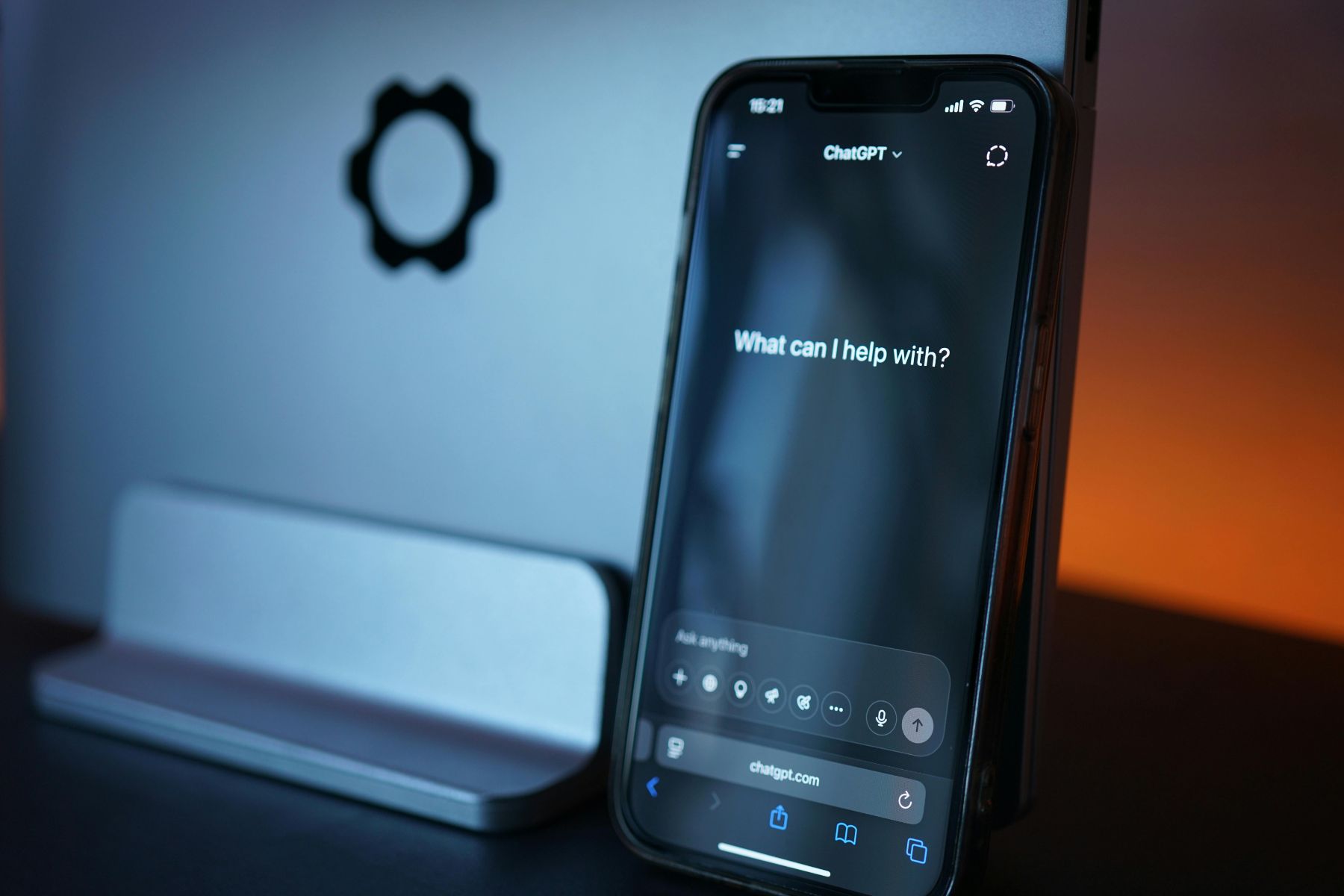
Photo by Solen Feyissa on Unsplash
AI search optimisation is the work of making your website easy for AI-powered search tools to find, understand, trust and cite. Those tools include Google's AI Overviews, ChatGPT search, Gemini, Copilot and Perplexity. It builds on good SEO rather than replacing it: clear answers, solid technical foundations and a reputation beyond your own website.
Generative engine optimisation (often shortened to GEO) is another name for the same idea. A "generative engine" is an AI tool that writes an answer instead of only listing links. GEO (generative engine optimisation) is about becoming one of the sources that answer draws on.
You'll also see the terms AI SEO, answer engine optimisation and ai search engine optimisation. They overlap heavily. The goal in every case is generative engine visibility: being mentioned, quoted or linked when someone asks an AI tool a question your business can answer.
Traditional SEO aims for a high position in a list of links. AI-driven search optimisation aims for a place inside the answer itself, and the answer may not lead to a click at all.
| Traditional SEO | AI search optimisation | |
|---|---|---|
| Goal | Rank high in the list of results | Be cited or mentioned in the AI answer |
| Unit of success | A page ranking for a keyword | A clear passage that answers a question |
| Main signals | Relevance, links, technical health | The same, plus clarity, consistency and mentions across the web |
| What you measure | Rankings, clicks, traffic | Citations, brand searches, enquiries, quality of visits |
The overlap is bigger than the difference. Google says its AI features draw on the same systems as Search. To appear as a supporting link, a page needs to be indexed and eligible to show a snippet. Its guidance on AI features and your website recommends the same SEO best practices rather than special tricks.
Website optimisation for AI search starts with the basics, done well:
Our technical SEO team looks after the indexing, speed and structured data side, which is where many websites quietly fall down.
To optimise content for AI search engines, write for a person asking a real question:
AI for search engine optimisation also works the other way round: AI tools can help you draft FAQs, find gaps in your content and summarise customer questions. Keep a person in charge of accuracy and voice.
The best practices for an AI-first search optimisation plan are mostly habits:
When Rock Solid Marketing reviews websites for businesses across Sunraysia and the Mallee, the gaps that hold them back in AI search are usually the same ones that hold them back in Google: thin service pages, no clear answers to common questions, out-of-date contact details across directories and no FAQs. Fixing those helps on both fronts.
For Google specifically, our guide to showing up in Google AI Overviews goes step by step, and our article on Google's AI-driven search covers what the change means for traffic.
AI search optimisation is making your website easy for AI search tools to find, understand and cite. It covers technical access, clear answer-first content, structured data and a consistent reputation across the web. That way tools like Google AI Overviews and ChatGPT can use your information with confidence.
Start with sound SEO: indexed, fast, mobile-friendly pages. Then put direct answers at the top of pages and use question headings and FAQs. Add structured data, keep your business details consistent everywhere, and earn reviews and mentions on trusted sites.
Begin with your most important pages and your Google Business Profile. Rewrite each page's opening to answer the main question in two or three sentences. Add an FAQ section from real customer questions, and fix any wrong contact details in online directories.
No. AI search tools rely on the same crawling, indexing and quality signals as traditional search, so good SEO is the foundation. AI search optimisation adds a stronger focus on clear answers, structure and reputation beyond your website.
No. AI tools choose their sources and change how they work often, so no one can promise a citation or a placement. What you can do is make your content the clearest, most trustworthy answer available, and measure the enquiries it brings.
AI search optimisation rewards businesses that explain what they do clearly and keep their information accurate everywhere. If you'd like a hand, our SEO services include content and technical work for AI search, and our ChatGPT SEO service focuses on visibility in AI assistants.
A marketing team that has helped businesses across Sunraysia and the Mallee since 2017, from our office on Deakin Avenue in Mildura.
Keep reading
AI marketing tools for small businesses: what each type does, AI tools for marketing and CRM, how to choose, and where AI in marketing still needs a person.
15 practical AI prompts that make social media easier: ideas, captions in your brand voice, content calendars, hooks, video scripts, replies and more.
Seven practical ways small businesses use AI beyond captions: voice notes to content, customer personas, meeting summaries, competitor research and more.

Let’s start by scheduling a free discovery call so we can get to know each other and see if we’re a good fit for your marketing needs.