
SEO
How to Rank Higher on Google: A Small Business Guide
How to rank higher on Google, step by step: choose the right searches, improve your pages, fix technical problems, earn trust and measure what works.
Need a boost in SEO? Try focusing on linking: 3 types of links, to be precise.
One really useful thing you can do to help with SEO is to link to other pages within your site. Whether you’re crafting a blog post or rewriting the copy on a product or service page, always be thinking of other content you’ve written that relates to the topic at hand. Whenever relevant, add a link to that other page.
Not only are you providing easy access to similar content for your site visitors to click on for more information, but you’re also letting Google know that various pages of your website relate to a similar topic, and hence (hopefully) that you know this topic well. Internal links also help Google find and understand your pages.
Think of it this way: linking between the various pages of your website gradually builds a web of useful content that grows and grows the more you churn out new and relevant content. Without these internal links, it’s like having tens or hundreds of decidedly separate pages within one website.
Just as important as internal links, external links should also be sprinkled throughout the pages of your website whenever relevant.
An external link is a link to a website outside of your own. Linking to trustworthy sources, such as official guides, research and industry bodies, backs up what you say and gives readers somewhere to go for more detail. It shows you’ve done your homework, which builds trust with readers.
Only link where it genuinely helps the reader. A few well-chosen links to reputable sources are worth more than a page full of links added for the sake of it.
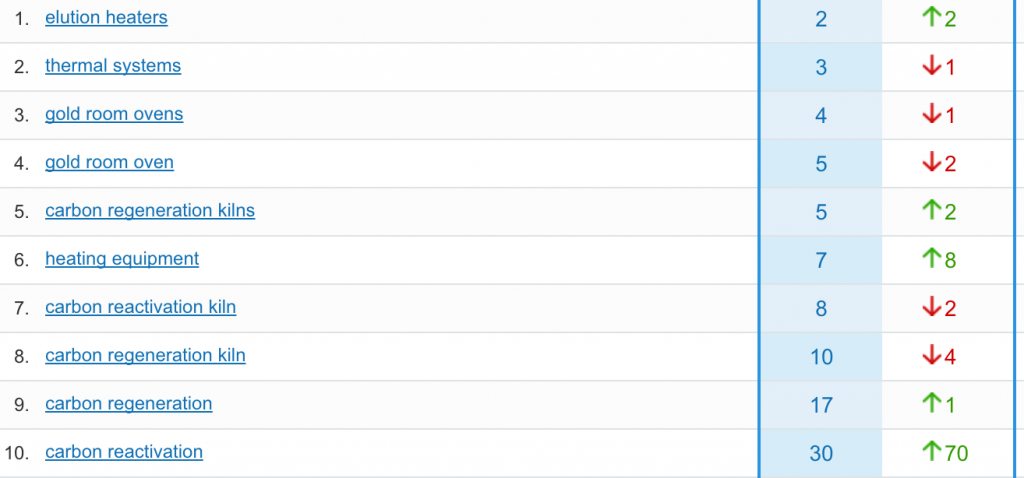
An example of adding relevant external links to a page optimised for ‘carbon regeneration’.
Lastly and most importantly: backlinks.
Backlinks are the hardest to obtain, but the most impactful when it comes to ranking higher in Google search listings.
You earn a backlink when another site links to your site within their page content. Ideally you want your backlinks to come from sites that are relevant to yours and well respected. Third-party tools estimate a site’s authority, for example Moz’s Domain Authority score, which you can check with Moz Link Explorer.
The idea is that if trusted sites are linking to another site, then by extension that site is likely to be relevant and trustworthy as well, which can help it rank for related keywords.
There are numerous ways to gain backlinks, but the best of all is to continue producing quality content that other sites actually want to naturally link to. You can jumpstart the process by letting other website owners know about a useful article you wrote that they might want to link to, or by writing guest articles for relevant websites. Avoid buying links or swapping links in bulk: Google’s spam policies treat both as link spam. This article by Backlinko provides more ways to earn backlinks.
Note: links marked nofollow, sponsored or ugc pass less ranking value, though they can still send you visitors. Our backlinks guide explains the difference.
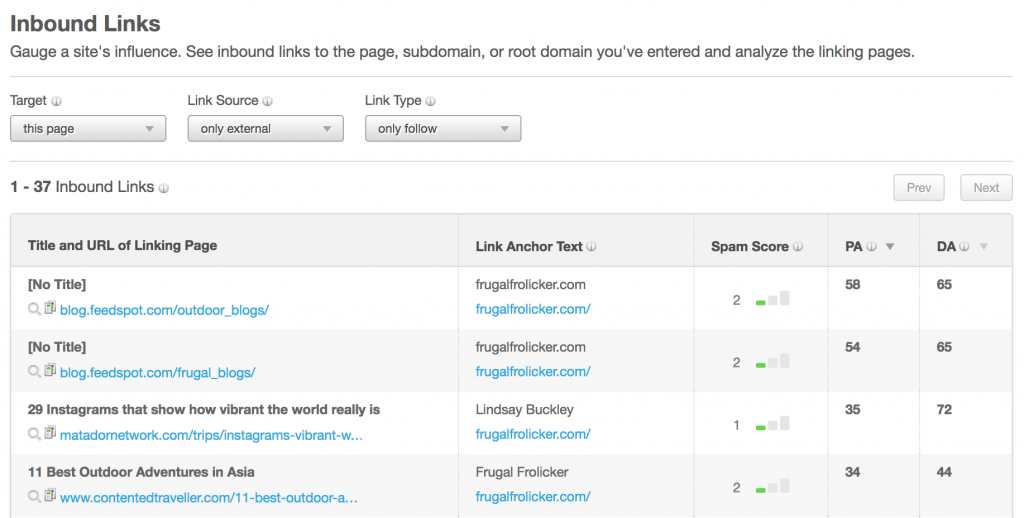
Use a tool such as Moz Link Explorer to keep track of your backlinks.
A marketing team that has helped businesses across Sunraysia and the Mallee since 2017, from our office on Deakin Avenue in Mildura.
Keep reading
How to rank higher on Google, step by step: choose the right searches, improve your pages, fix technical problems, earn trust and measure what works.
A free SEO checklist for new and existing websites, with technical, on-page, content and local checks, plus how to check your SEO with free tools.
What is schema markup, what is it used for, does it help SEO, and how do you add it? A plain English guide to structured data for small business websites.

Let’s start by scheduling a free discovery call so we can get to know each other and see if we’re a good fit for your marketing needs.